Questions and scenario-based answers

Frequently asked questions

Answers focus on practical steps, pilot structure, and real-case scenarios so homeowners can see how timing strategies work in homes similar to theirs.

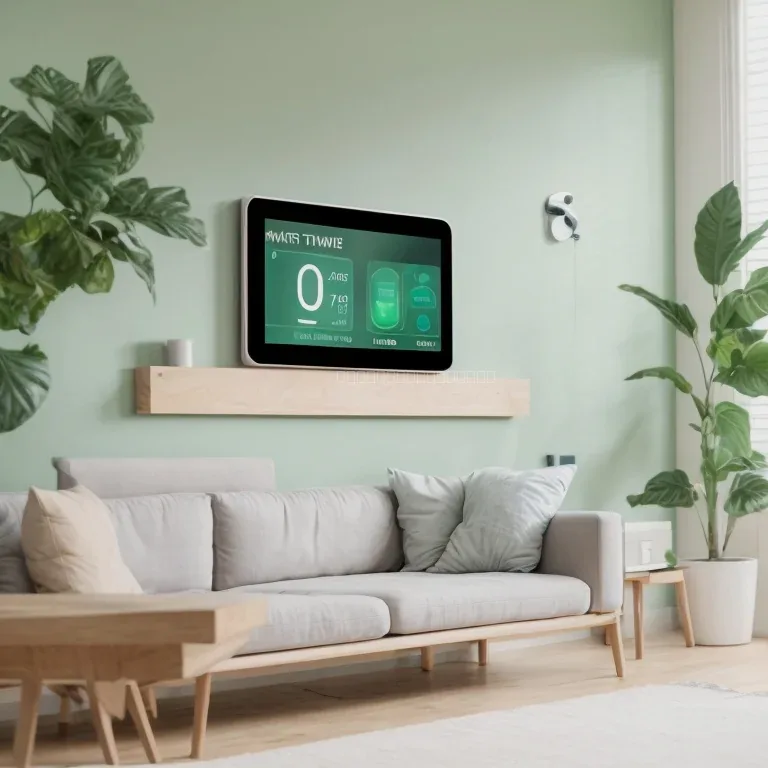
Intelligent climate timing is a scheduling approach that aligns heating, cooling and ventilation with actual occupancy patterns, thermal inertia of the building, and weather forecasts. Instead of running systems constantly, KlimaTopZeit designs scenario-based schedules that pre-condition spaces when needed and reduce active runtime when the building is unoccupied.

KlimaTopZeit is compatible with many common systems, including gas boilers, heat pumps, and district heating interfaces. Implementation typically involves a scheduling controller, minimal sensor additions, and integration with existing thermostats or BMS. Each integration begins with a case assessment to determine control points and safe fallback settings for occupant comfort.

Schedules are tuned to the building’s thermal response to avoid abrupt temperature swings. For high thermal mass buildings, we allow longer pre-conditioning windows; for lightweight constructions, shorter ramps are used. Pilot measurements and resident feedback guide these adjustments to maintain stable comfort during winter conditions.

By avoiding unnecessary system operation during predictable unoccupied periods and by using timed pre-conditioning, many households report reduced active heating hours. KlimaTopZeit focuses on practical, measurable adjustments rather than big promises — savings depend on building envelope, occupant behavior, and local climate.

A pilot includes an initial questionnaire, a site visit if needed, baseline data capture, creation of two to three scenario schedules tailored to your routines, and two tuning iterations over a month. Deliverables are documented case notes and recommended next steps.

Typical installation for a single-family home takes a half to a full day for the controller and sensor placement; more complex integrations with building management systems may require additional time. The pilot schedule and tuning extend across a few weeks to ensure the settings align with real occupant behavior.

Some homes only need software scheduling and existing thermostats; others benefit from extra room sensors or ventilation controls. Each case is evaluated to recommend the minimum additional hardware needed to run scenario-driven schedules effectively.

Pilots include checkpoints for occupant feedback after the first and second tuning cycles. We use simple surveys and temperature logs to reconcile perceived comfort with sensor data and adjust schedules accordingly.

Yes. For rental units we recommend conservative schedules and clear occupant override options. Case scenarios include typical tenant patterns to ensure the property remains comfortable and that schedules do not create administrative burden for landlords.

Climate timing includes ventilation strategies: scheduling short, targeted ventilation sessions based on occupancy and cooking times to maintain air quality while minimizing heat loss. Scenarios account for outdoor temperatures and humidity to choose appropriate ventilation windows.

We create a vacation profile that lowers active heating to a frost-protection level while preserving a short warm-up sequence before expected return. The profile is designed from past case examples to avoid long, energy-intensive reheating while protecting the building fabric.

Pilots capture indoor temperatures, basic occupancy indicators (schedule logs or manual inputs), and system runtime. Weather context is included. Data is used only for the pilot assessment and tuning and handled according to our privacy policy.

We document simple procedures for residents to switch profiles (workdays, weekends, holidays) and include two tuning rounds in pilots to refine schedule boundaries. If routines change seasonally, additional tuning sessions can be scheduled as a follow-up service.

Yes. All automated schedules include fallback safety setpoints and manual overrides. For complex systems, we coordinate with the existing service provider to ensure any automation respects manufacturer and safety requirements.

Multi-zone homes are treated with zone-specific scenarios. Each zone gets schedules that reflect occupancy and usage patterns (e.g., bedrooms vs living areas). Case examples show improved control granularity and occupant satisfaction when zones are tuned separately.
Start with a case

Tune your home's climate with scenario-based timing

KlimaTopZeit applies tested timing patterns and situational rules that adapt heating and cooling cycles to occupant habits, weather forecasts and local grid signals. Our focus is on clear, reproducible cases that homeowners and technicians can implement.

  • 1. Describe your home and routines
  • 2. We propose scenario schedules
  • 3. Pilot tuning and documented outcomes

Deployment scenarios Real-world tuning

Deployment is presented through concise scenarios: a family home with morning pre-heating, a remote holiday apartment on a reduced schedule, and a multi-zone house with separate night and day zones. Each scenario includes setup steps, expected behaviors, and measurable checkpoints to evaluate effectiveness.

Family morning routine

Scenario: weekday mornings require warm bedrooms and a comfortable kitchen at 07:00. Solution: staggered pre-heating begins 45–60 minutes in advance for high-mass spaces, 20–30 minutes for lightweight rooms; occupancy overrides available for early/late days.

Vacation and absence profile

Scenario: owners leave a chalet vacant for several weeks in winter. Solution: frost-protection baseline with a scheduled warm-up sequence 24 hours before return and remote activation options; documented checks ensure the sequence does not stress the heating plant.
...

Multi-zone day/night split

Scenario: multi-level home with separate living and sleeping schedules. Solution: keep night zones cool overnight while maintaining daytime comfort in living zones; use staged transitions to avoid thermal shock and unnecessary pump cycling.